Skip to content

Difficult

Difficult questions

The official category A questions that candidates get wrong most often, with the picture, correct answer and explanation opened by default.

229 questions

Start difficult test

Question 1

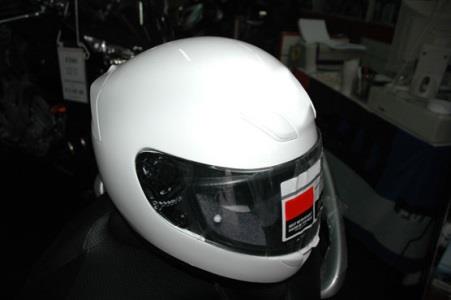
Should the comfort layer or lining of a good protective helmet (capacete de protecção) be able to absorb sweat from perspiration?
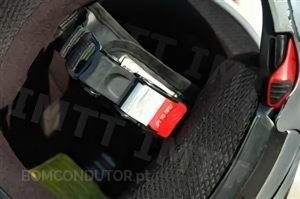
Should the comfort layer or lining of a good protective helmet (capacete de protecção) be able to absorb sweat from perspiration?
ANo, it should only be breathable.
BNo, because that would leave the inside of the helmet wet.
CYes.

Why — Explanation

The lining of a good helmet must absorb perspiration to keep the rider's head dry and comfortable.
Question 32

The inner protective layer of a helmet is designed to absorb the impact in the event of an accident.

The inner protective layer of a helmet is designed to absorb the impact in the event of an accident.
AThe statement is true.
BThe statement is false.

Why — Explanation

The inner layer, usually expanded polystyrene, deforms in a controlled way to absorb the energy of an impact.

Question 91

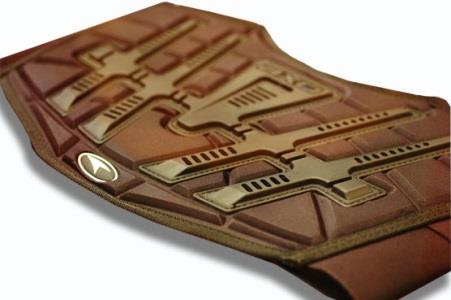
Is the abdominal belt used only for the comfort of a motorcycle rider?

Is the abdominal belt used only for the comfort of a motorcycle rider?
AYes, mainly on long journeys.
BNo, the belt also protects the rider's spine from an impact.
CNo, the belt is uncomfortable and should only be used on racing circuits.

Why — Explanation

Besides comfort, the belt supports the lower back and protects the spine and internal organs from vibration and impact.

Question 82

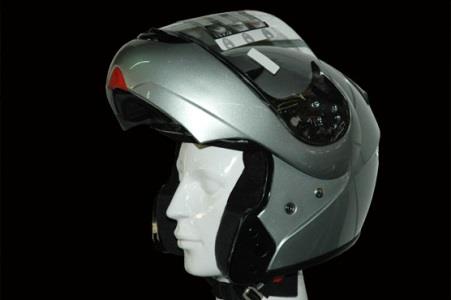
The colour of a motorcyclist's helmet visor should be:

The colour of a motorcyclist's helmet visor should be:
ASmoked, because it allows better visibility.
BClear, as other colours are not authorised.
CDark, because of the sun.

Why — Explanation

Only clear visors are authorised, so that vision stays good in all light conditions.

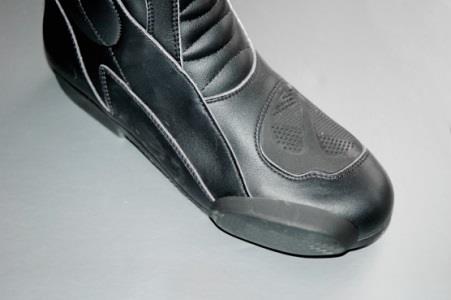
Question 36

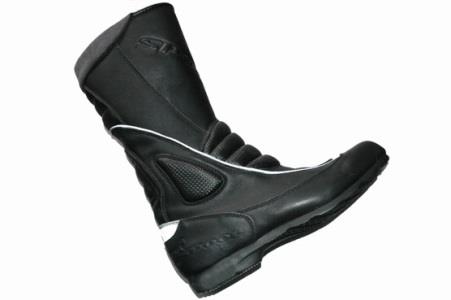
The use of boots when riding a motorcycle contributes to:

The use of boots when riding a motorcycle contributes to:
APassive safety.
BActive safety.

Why — Explanation

Boots reduce injuries to the feet and ankles once a fall happens, so they are passive safety equipment.

Question 37

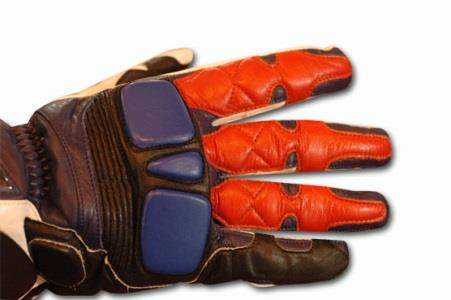
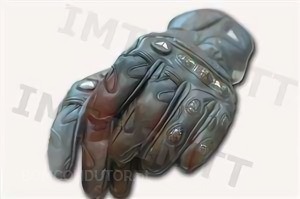
Wearing gloves contributes to the motorcyclist's active safety because they are protective equipment.

Wearing gloves contributes to the motorcyclist's active safety because they are protective equipment.
AThe statement is true.
BThe statement is false.

Why — Explanation

Gloves protect the hands after a fall, so they belong to passive safety, not active safety.

Question 105

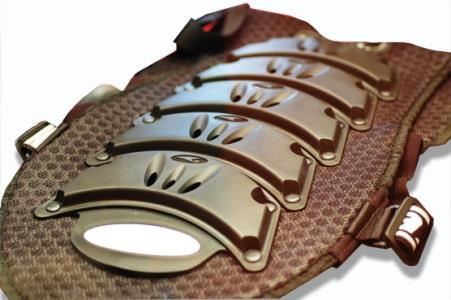
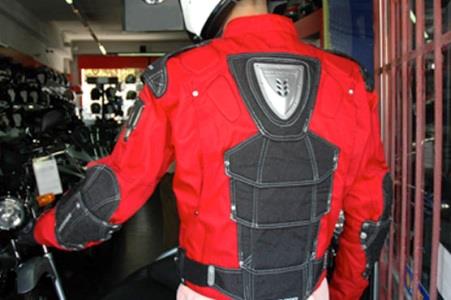
Does the use of a back protector contribute to a motorcyclist's safety?

Does the use of a back protector contribute to a motorcyclist's safety?
AYes, it contributes to increased active safety.
BYes, it contributes to increased passive safety.
CNo.

Why — Explanation

The back protector reduces injuries once a fall happens, so it is passive safety equipment.

Question 93

Can colour vision be affected by using a smoked visor?

Can colour vision be affected by using a smoked visor?
AYes, but only if the helmet is a full-face model.
BYes.
CNo, visors do not change colour vision.

Why — Explanation

A smoked visor changes the light reaching the eyes and can distort colour perception, especially in low light.

Question 4

Trousers worn when riding a motorcycle should be:

Trousers worn when riding a motorcycle should be:
AClose fitting on the legs and on the rest of the body.
BLoose on the legs so they do not hinder movement.
CLoose, so the rider feels comfortable while riding.

Why — Explanation

Close fitting clothing does not flap in the wind or catch on parts of the motorcycle.

Question 6

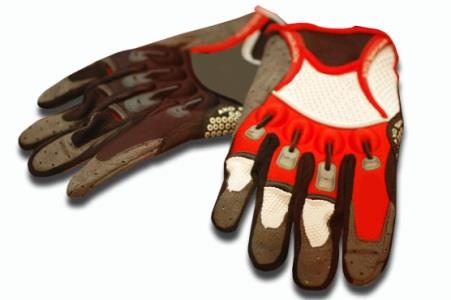
The gloves a motorcyclist should wear are essentially to protect him in the event of a fall.

The gloves a motorcyclist should wear are essentially to protect him in the event of a fall.
AThe statement is false.
BThe statement is true.

Why — Explanation

The main purpose of motorcycle gloves is to protect the hands in a fall.

Question 110

Gloves are active safety equipment that a motorcyclist should always wear. Do you agree with this statement?

Gloves are active safety equipment that a motorcyclist should always wear. Do you agree with this statement?
AYes.
BNo, gloves should be worn for the motorcyclist's comfort.
CNo.

Why — Explanation

Gloves are passive safety equipment: they reduce injuries after a fall rather than help prevent the accident.

Question 42

The gloves, the protective helmet and the other accessories a motorcyclist should wear are part of:

The gloves, the protective helmet and the other accessories a motorcyclist should wear are part of:
AActive safety.
BPassive safety.

Why — Explanation

This equipment minimises injuries once an accident happens, so it is passive safety equipment.

Question 7

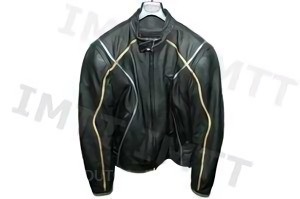
The sleeves of the motorcyclist's jacket should fit:

The sleeves of the motorcyclist's jacket should fit:
AUnder the gloves, namely when riding in the rain.
BOver the gloves, namely when riding in the rain.

Why — Explanation

Wearing the sleeves under the gloves helps keep rain out of the clothing while riding.

Question 43

The protectors fitted on gloves are meant to protect the rider's hands in the areas most exposed to the cold. Do you agree with this statement?

The protectors fitted on gloves are meant to protect the rider's hands in the areas most exposed to the cold. Do you agree with this statement?
AYes.
BNo.

Why — Explanation

The rigid protectors on gloves protect against impact and abrasion in a fall, not against the cold.

Question 151

While riding, the motorcyclist is required to use:

While riding, the motorcyclist is required to use:
AA closed helmet (with face and jaw protection).
BAn approved helmet.
CA properly fastened helmet, approved or not.

Why — Explanation

The law requires an officially approved helmet, properly adjusted and fastened; it does not have to be a closed model.

Question 126

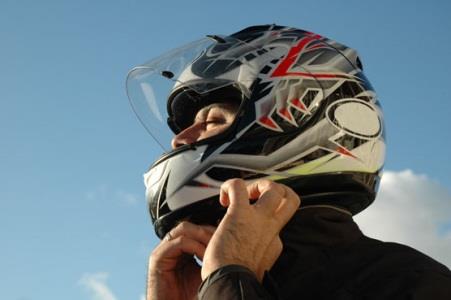
There are different safety fastening systems for protective helmets. However, it can be said that:

There are different safety fastening systems for protective helmets. However, it can be said that:
AThe safest and lightest system is the so-called double D-ring fastener.
BThe safest and lightest system is the so-called quick fastener, made of two parts that clip together.
CThe safest and lightest system is the quick fastener using special velcro applications.

Why — Explanation

With no mechanical parts that can wear or break, the double D-ring gives a precise and highly reliable fit.

Question 154

When riding motorcycles, the use of suitable clothing should be understood as:

When riding motorcycles, the use of suitable clothing should be understood as:
AA passive safety measure.
BAn active safety measure.
CA personal matter with no direct relation to safety.

Why — Explanation

Protective clothing reduces injuries once a fall happens, so it is a passive safety measure.

Question 70

When riding a motorcycle, the boots used:

When riding a motorcycle, the boots used:
AShould have a rough sole, in rubber or a similar material.
BShould have a smooth rubber sole.
CShould have a smooth rubber-fibre sole.

Why — Explanation

A rough, non-slip sole gives good grip on the footrests and on the road surface.

Question 147

When riding a motorcycle, may an intercom be used to communicate with the passenger?

When riding a motorcycle, may an intercom be used to communicate with the passenger?
AYes, if the device has headphones (auscultadores).
BNo.
CYes, but only if the device has a single earpiece (auricular).

Why — Explanation

The Highway Code only allows communication devices with a single earpiece, used without continuous handling.

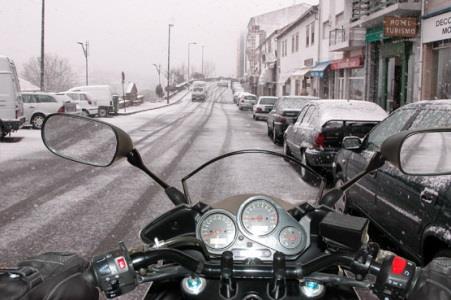
Question 157

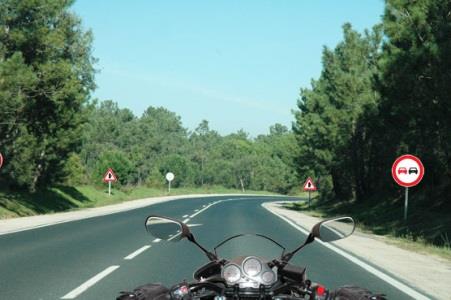
In this situation, where the air temperature is very low, I should:

In this situation, where the air temperature is very low, I should:
AUse equipment that prevents the body from losing too much heat and avoid taking in water or hot food.
BUse waterproof equipment, even if it does not prevent the body from losing too much heat.
CUse equipment that prevents the body from losing too much heat.

Why — Explanation

In extreme cold, thermal protective clothing prevents hypothermia, which slows the rider's reactions and endangers safety.

1–20 / 229