Skip to content
Questions

Protective Equipment

Equipamento de Protecção

163 questions

Learned: 0 / 163

Question 1

Should the comfort layer or lining of a good protective helmet (capacete de protecção) be able to absorb sweat from perspiration?
ANo, it should only be breathable.
BNo, because that would leave the inside of the helmet wet.
CYes.

Why — Explanation

The lining of a good helmet must absorb perspiration to keep the rider's head dry and comfortable.
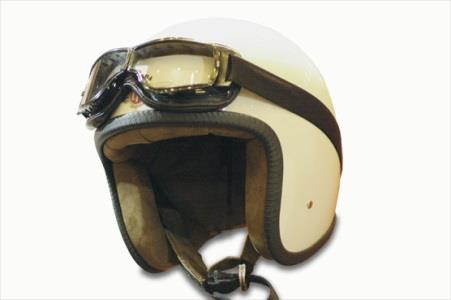
Question 2

Is the use of protective glasses important when riding a motorcycle?

ANo, except when the rider has vision difficulties.
BYes, and the lenses of the glasses should always be dark coloured.
CYes, always.

Why — Explanation

Protective glasses shield the rider's eyes from wind, dust and insects, so they should always be worn.

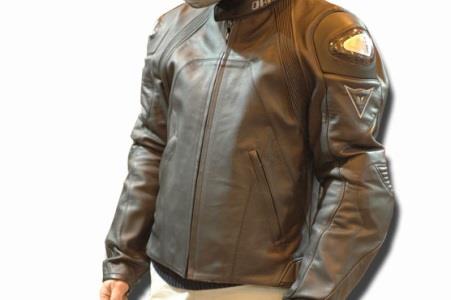
Question 3

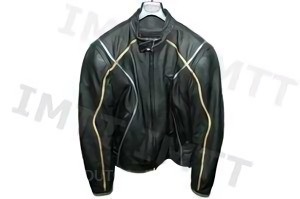
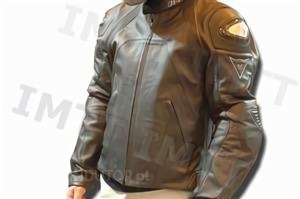
Is the use of this type of clothing essential for a motorcyclist?

In the real exam this question shows a picture.

ANo, except in winter.
BNo.
CYes.

Why — Explanation

Suitable protective clothing reduces injuries in a fall and should always be worn.

Question 4

Trousers worn when riding a motorcycle should be:

AClose fitting on the legs and on the rest of the body.
BLoose on the legs so they do not hinder movement.
CLoose, so the rider feels comfortable while riding.

Why — Explanation

Close fitting clothing does not flap in the wind or catch on parts of the motorcycle.

Question 5

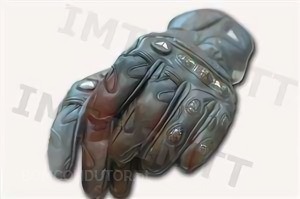
A motorcyclist's gloves should be as strong as possible, even if they slightly hinder the control of the motorcycle's controls. Do you agree with this statement?

ANo, gloves must not hinder the control of the motorcycle's controls.
BNo, except in the case of high capacity motorcycles and on long journeys.
CYes, to protect the rider in case of a fall.

Why — Explanation

Gloves must protect the hands without reducing the precise control of the throttle, brakes and clutch.

Question 6

The gloves a motorcyclist should wear are essentially to protect him in the event of a fall.

AThe statement is false.
BThe statement is true.

Why — Explanation

The main purpose of motorcycle gloves is to protect the hands in a fall.

Question 7

The sleeves of the motorcyclist's jacket should fit:

AUnder the gloves, namely when riding in the rain.
BOver the gloves, namely when riding in the rain.

Why — Explanation

Wearing the sleeves under the gloves helps keep rain out of the clothing while riding.

Question 8

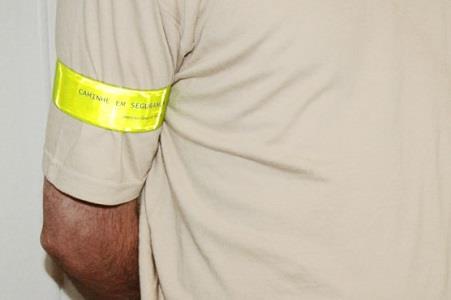
When riding at night I should, if possible, wear clothing with retro-reflective material.

ACorrect.
BIncorrect.

Why — Explanation

Retro-reflective material makes the rider much more visible to other road users at night.

Question 9

When riding a motorcycle, should the rider wear protective glasses?

AYes, whenever he uses an open helmet with a visor.
BYes, whenever he uses an open helmet without a visor.
CYes, whenever he uses a full-face helmet with a visor.

Why — Explanation

An open helmet without a visor leaves the eyes exposed, so protective glasses are needed.

Question 10

When riding a motorcycle, may an intercom be used to communicate with the passenger?

ANo.
BYes, but only if the device has a single earpiece (auricular).
CYes, if the device has headphones (auscultadores).

Why — Explanation

The Highway Code only allows communication devices with a single earpiece; headphones covering both ears are prohibited while riding.

Question 11

Is it essential to wear glasses with this type of helmet?

In the real exam this question shows a picture.

ANo, except on long journeys.
BNo.
CYes, to protect the rider's eyes.

Why — Explanation

This type of helmet leaves the eyes exposed, so glasses are needed to protect them from wind, dust and insects.

Question 12

The jacket used by motorcycle riders should fit:

AInside the trousers, namely when riding in the rain.
BOutside the trousers, namely when riding in the rain.
CAlways inside the trousers.

Why — Explanation

Worn over the trousers, the jacket stops rain from running inside the clothing.

Question 13

Can a protective helmet influence a motorcyclist's field of vision?

ANo, the field of vision must remain 100%.
BYes, but only when carrying out an overtaking manoeuvre.
CYes, but only when carrying a passenger.

Why — Explanation

An approved helmet is designed so that it does not reduce the rider's field of vision at all.

Question 14

For his safety, a motorcycle rider should always wear a jacket with shoulder and elbow protection. Do you agree with this statement?

ANo.
BYes, but only when riding on uneven road surfaces.
CYes.

Why — Explanation

A jacket with built-in protectors reduces injuries in a fall and should always be worn.

Question 15

A motorcycle rider should know that wearing a protective helmet influences his vision. Do you agree with this statement?

ANo, except when carrying out a change of direction.
BNo, the motorcyclist's field of vision must remain 100%.
CYes, as long as it does not impair his field of vision.

Why — Explanation

A protective helmet must not reduce the rider's field of vision at all.

Question 16

Should a motorcycle rider wear a protective jacket?

ANo.
BYes, but only during winter.
CYes.

Why — Explanation

A protective jacket reduces injuries in a fall and should be worn all year round.

Question 17

Should a motorcycle rider wear an abdominal belt (cinta abdominal)?

ANo, except if he rides a motorcycle with an engine capacity over 125 cm3.
BNo.
CYes, to protect the spine.

Why — Explanation

The abdominal belt supports and protects the spine, whatever the engine size of the motorcycle.

Question 18

Should a motorcycle rider always wear protective gloves?

ANo, except when riding at high altitude in very low temperatures.
BYes, but only in winter, to protect against the cold.
CYes.

Why — Explanation

Gloves protect the hands in a fall and against the weather, so they should always be worn.

Question 19

To increase his visibility, a motorcycle rider should preferably wear:

AVery loose, light-coloured clothing, except during the winter season.
BLight-coloured clothing with retro-reflective material applied, except during winter.
CClothing with retro-reflective material applied.

Why — Explanation

Retro-reflective material makes the rider more visible to other road users at all times of the year.

Question 20

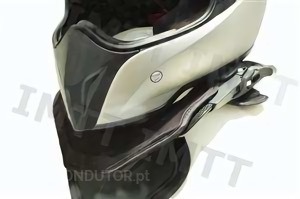
Does the neck protector contribute to a motorcyclist's passive safety?

ANo.
BYes, because it limits the rider's lateral movement and protects the vertebrae of the spine.
CYes, because it limits the twisting of the rider's neck.

Why — Explanation

The neck protector limits neck twisting in a fall, so it is passive safety equipment.

20 / 163